
CELEBRITY
1 MINUTE AGO: CANADA–EUROPE ALIGNMENT SHUTS THE U.S. OUT — U.S. ALLIANCE LEADERSHIP COLLAPSES!

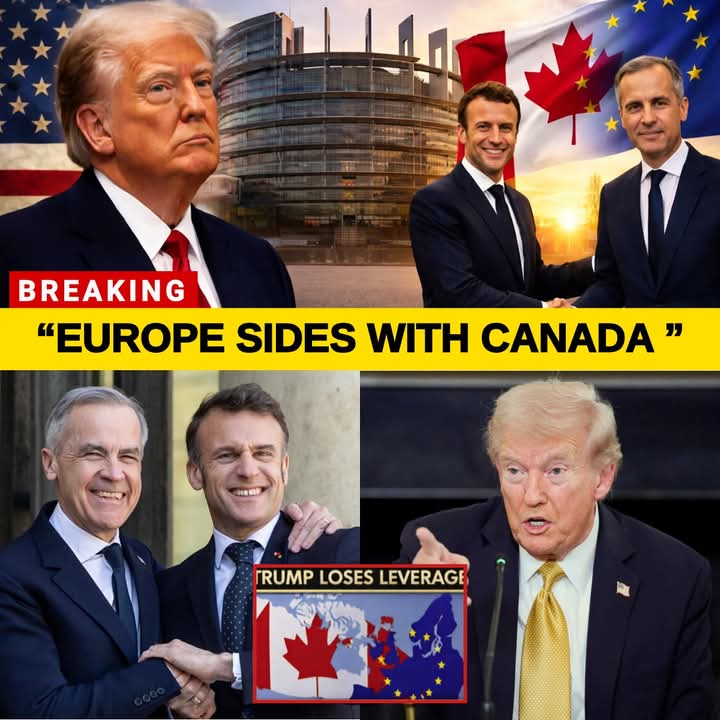
A profound geopolitical shift is accelerating across the Atlantic as Canada deepens its structural ties with Europe, bypassing traditional U.S. dominance in security and defense matters.
The catalyst? Growing European skepticism toward U.S. reliability under President Donald Trump, coupled with his repeated rhetoric about annexing Greenland — a Danish territory — and broader expansionist language targeting allies.
In response, Canada — already a NATO partner — has locked in long-term commitments with the European Union. The landmark **Canada-EU Security and Defence Partnership**, signed in June 2025, has evolved rapidly.
By December 2025, Canada became the first non-European nation to join the EU’s **Security Action for Europe (SAFE)** initiative — a €150 billion ($244 billion CAD) fund supporting joint defense procurement, ammunition, missiles, drones, and other critical capabilities.
This move provides Canadian defense firms expanded access to European markets while allowing EU countries to diversify suppliers away from American systems.
Analysts describe it as “architecture, not symbolism”: new joint frameworks for Arctic security, cyber defense, and supply chains that no longer default to Washington’s approval.
The timing is no coincidence. Trump’s persistent claims that the U.S. “needs” Greenland for national security — including refusing to rule out force — have prompted swift European countermeasures.
In recent days, NATO allies including France, Germany, Sweden, Norway, and others have deployed troops to Greenland for joint exercises with Denmark, reinforcing the island’s defenses and sovereignty amid the rhetoric.
Canada has signaled its stance clearly: Foreign Minister Anita Anand plans to open a consulate in Nuuk, Greenland’s capital, in the coming weeks to underscore “deep commitment to regional security.”
While Canadian forces are not joining the current Greenland deployments, the overall alignment strengthens Europe’s northern flank and the transatlantic link — minus automatic U.S. centrality.
Experts warn this realignment is structural and difficult to reverse. With Arctic routes, defense industries, and strategic coordination increasingly tied into Europe-Canada mechanisms, U.S. influence in key domains appears sidelined — perhaps permanently.
What began as diversification amid alliance strains has become a bold new axis. The transatlantic order is being rewritten — and Washington is watching from the outside.
The implications? Far bigger than anyone expected. ⚡

Taylor Swift’s Valentine’s Look Next to Travis Kelce Is Turning Heads Worldwide. See the Photos

Taylor Swift and Travis Kelce’s Valentine’s Date Has Fans SCREAMING — The Detail Everyone Missed

BREAKING: Taylor Swift Announces She Is Stepping Away from Music to Focus on a Future in Politics

Fans React Emotionally After Travis Kelce’s Unexpected Message Surfaces Online. See what he said

SHOCKING: Taylor Swift Stuns at the AT&T Pebble Beach Pro-Am in Head-Turning Luxury Outfit — Fans Say “This Is Next-Level Glam!”

Taylor Swift’s Noticeable Weight Loss at AT&T Pebble Beach Pro-Am Golf Tournament Is Causing Worries Right Now

Taylor Swift Spotted Cheering from the Gallery at Pebble Beach – Travis Kelce Almost Dropped His Club!

Something About Travis Kelce’s Latest Photo Feels Different — And Fans Can’t Stop Talking. Take a look

TAYLOR SWIFT REVEALED HER BABY BUMP IN A CUSTOM PEBBLE BEACH POLO

Travis Kelce’s Surprise Decision Leaves Fans Completely Stunned — Nobody Saw This Coming. Find out why

This Travis Kelce Clip Is Going Viral for All the Wrong Reasons — Did You Notice It Too?
