
CELEBRITY
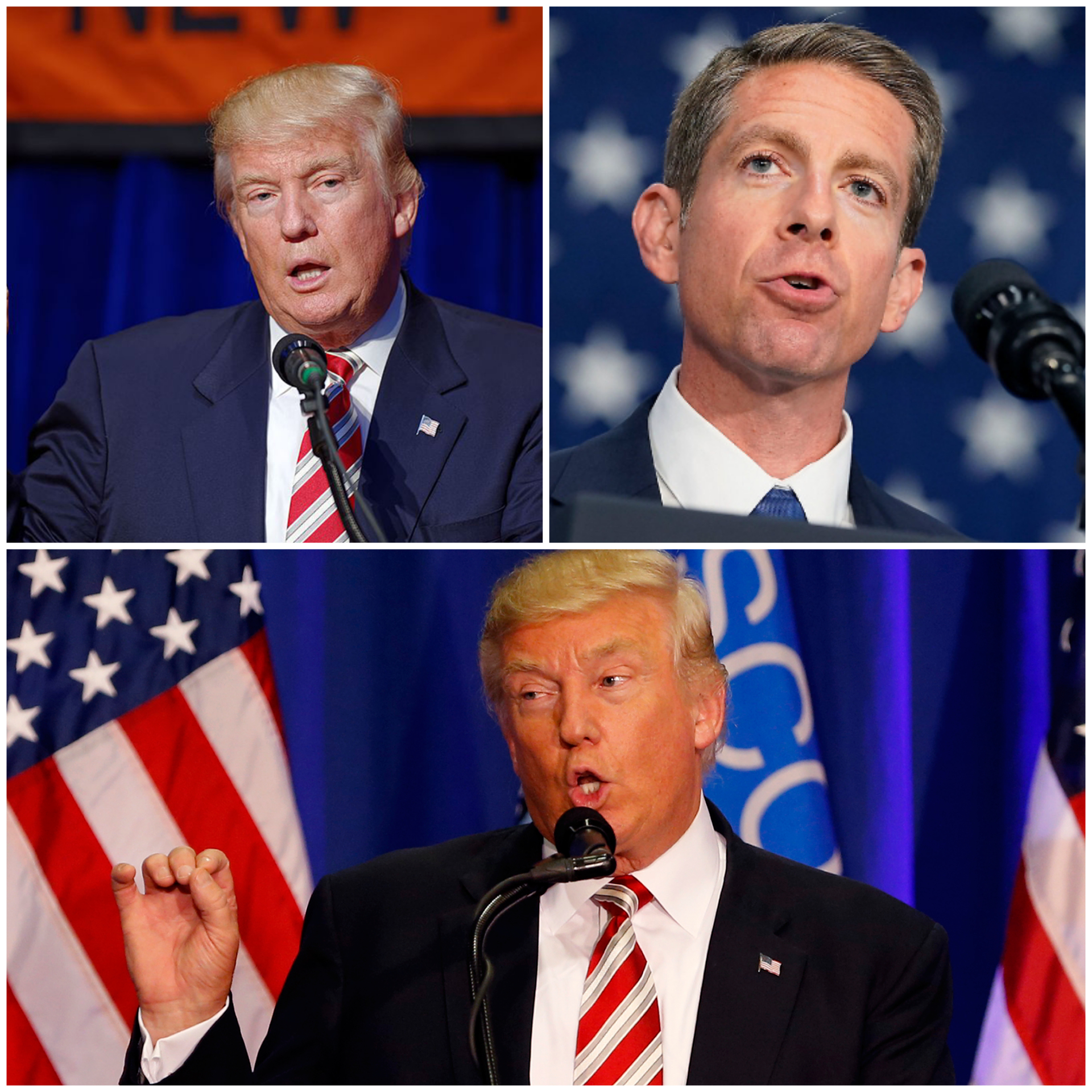
BREAKING: President Donald Trump has sent shockwaves through Washington after issuing a chilling, mind-blowing statement in response to Rep. Mike Levin. Levin had just announced plans to introduce a constitutional amendment that would ban self-pardons and block presidents from pardoning family members, administration officials, campaign staff, or anyone who commits crimes to protect the president. Trump’s response immediately ignited outrage and intense debate, with critics calling the statement alarming and unprecedented, while supporters rushed to defend it. Now, Americans are asking a serious question: Should a sitting president ever make a statement like this—and what does it mean for the future of presidential power?

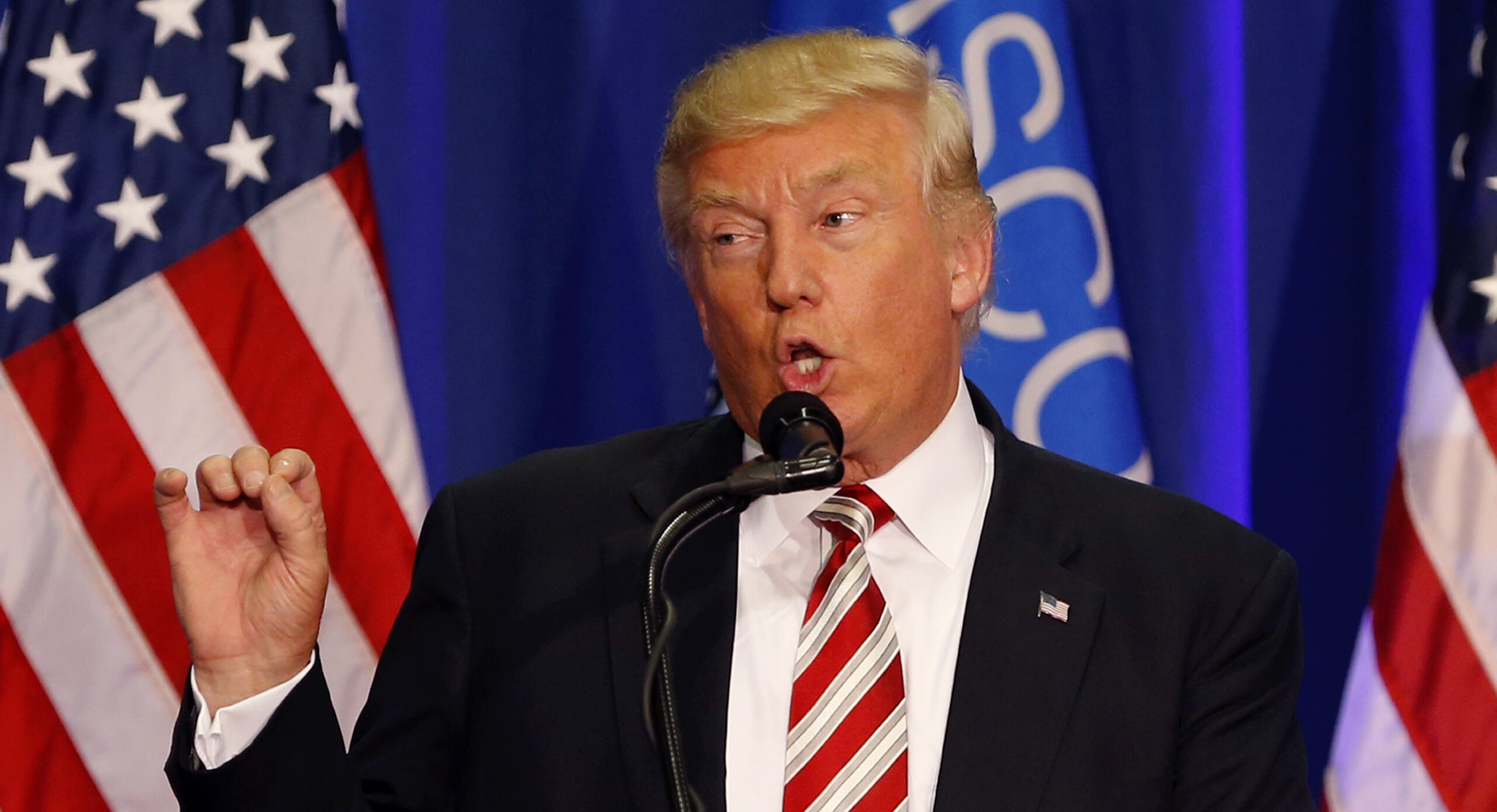
Washington, D.C. — President Donald Trump has ignited a political firestorm following a chilling response to Rep. Mike Levin’s announcement of a proposed constitutional amendment aimed at limiting presidential pardon powers.
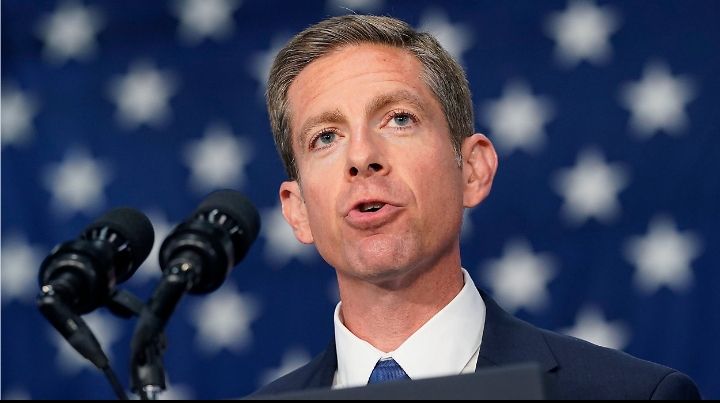
The amendment, introduced by Levin, would ban self-pardons and prevent presidents from pardoning family members, administration officials, campaign staff, or anyone who commits crimes to protect the president.
Supporters argue the measure is necessary to close dangerous loopholes in executive power, while critics say it challenges long-standing presidential authority.
Trump’s reaction to the proposal quickly drew national attention, with lawmakers from both parties describing his statement as alarming and unprecedented.
Social media erupted as legal experts and political commentators debated whether the president’s words crossed a constitutional line.
As the controversy grows, the moment has reignited a broader national debate: should a president have such sweeping pardon powers—and where should the limits of executive authority truly be drawn?

Taylor Swift’s Valentine’s Look Next to Travis Kelce Is Turning Heads Worldwide. See the Photos

Taylor Swift and Travis Kelce’s Valentine’s Date Has Fans SCREAMING — The Detail Everyone Missed

BREAKING: Taylor Swift Announces She Is Stepping Away from Music to Focus on a Future in Politics

Fans React Emotionally After Travis Kelce’s Unexpected Message Surfaces Online. See what he said

SHOCKING: Taylor Swift Stuns at the AT&T Pebble Beach Pro-Am in Head-Turning Luxury Outfit — Fans Say “This Is Next-Level Glam!”

Taylor Swift’s Noticeable Weight Loss at AT&T Pebble Beach Pro-Am Golf Tournament Is Causing Worries Right Now

Taylor Swift Spotted Cheering from the Gallery at Pebble Beach – Travis Kelce Almost Dropped His Club!

Something About Travis Kelce’s Latest Photo Feels Different — And Fans Can’t Stop Talking. Take a look

TAYLOR SWIFT REVEALED HER BABY BUMP IN A CUSTOM PEBBLE BEACH POLO

Travis Kelce’s Surprise Decision Leaves Fans Completely Stunned — Nobody Saw This Coming. Find out why

This Travis Kelce Clip Is Going Viral for All the Wrong Reasons — Did You Notice It Too?
